Are Crocs closed-toe shoes? Most Crocs clogs cover the front of the foot, so they can be considered closed-toe in a general everyday sense. However, not every Crocs style will qualify as closed-toe for every workplace, school, restaurant, healthcare setting, or safety policy.
The important detail is the specific style. Classic Crocs Clogs cover the toes but have ventilation holes. Work-focused Crocs, such as Bistro-style clogs, usually offer a more enclosed toe area and are more likely to meet stricter dress codes. Crocs sandals, slides, and flip-style designs are not closed-toe shoes.
If you are buying Crocs for comfort, daily wear, or work, this guide explains which Crocs count as closed-toe, when they may not be accepted, and how to choose the right pair for your situation.
Quick Answer: Do Crocs Count as Closed-Toe Shoes?
Yes, many Crocs clogs can count as closed-toe shoes because the toe area is covered. But the answer changes depending on the rule you are trying to meet.
For casual use, Classic Crocs are usually considered closed-toe because your toes are not exposed in the same way they are with sandals or flip-flops. For work or school dress codes, the holes on Classic Crocs may create a problem because liquids, sharp objects, or small debris can still reach the foot.
So the better answer is: some Crocs are closed-toe, but not all Crocs are acceptable for every closed-toe requirement.
What Is a Closed-Toe Shoe?
A closed-toe shoe is footwear that covers the toes at the front. The goal is to reduce exposure and help protect the foot from contact, spills, scrapes, falling objects, or workplace hazards.
Common closed-toe shoes include:
- Sneakers
- Clogs
- Work shoes
- Loafers
- Boots
- Some professional slip-ons
Open-toe shoes include:
- Sandals
- Flip-flops
- Slides
- Peep-toe shoes
- Toe-ring sandals
Crocs can fall into either category depending on the style. A Classic Clog is very different from a Crocs slide or sandal.
Are Classic Crocs Closed-Toe Shoes?
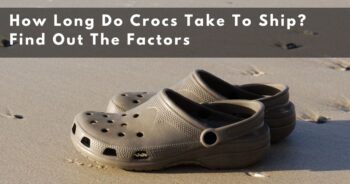
Classic Crocs Clogs cover the toes, but they are not fully enclosed because they have ventilation holes on the top and sides. This makes them a gray area.
For casual wear, errands, travel, home use, and everyday comfort, Classic Crocs are usually treated as closed-toe clogs. They protect the front of the foot more than sandals do.
For strict work settings, Classic Crocs may not be accepted because the ventilation holes can allow liquid, food, chemicals, or small objects to enter. Some employers also reject shoes with open heels, loose straps, or perforated uppers.
If your dress code simply says “closed-toe shoes,” Classic Crocs might pass. If it says “closed-toe and closed-heel,” “no holes,” “fluid-resistant,” or “protective footwear,” Classic Crocs may not be enough.
Which Crocs Are Closed-Toe?
Not all Crocs are built the same. Use this table as a practical guide before buying or wearing them to work.
| Crocs Style | Closed-Toe? | Best For | Dress Code Risk |
|---|---|---|---|
| Classic Clog | Mostly yes, but has holes | Casual wear, errands, home, light walking | Medium |
| Bistro Clog / Work Clog | Yes, more enclosed | Restaurant, kitchen, service work | Lower |
| Specialist-style Clog | Yes, more protective | Healthcare, work, standing all day | Lower |
| Crocs Sneakers | Yes | Walking, casual work settings | Low |
| Crocs Sandals | No | Summer, beach, pool, casual use | High |
| Crocs Slides | No | Home, shower, pool, quick errands | High |
| Crocs Flip-Flops | No | Beach, pool, warm weather | High |
If you need Crocs for a workplace, choose a work-focused clog rather than a casual sandal or slide.
Are Crocs Closed-Toe for Work?
Crocs can be closed-toe for work, but it depends on your job and your employer’s policy.
For low-risk environments, a closed-toe Crocs clog may be acceptable. For food service, healthcare, labs, warehouses, construction, or industrial jobs, the requirements may be stricter.
Workplaces may care about:
- Whether the toe is covered
- Whether the heel is enclosed
- Whether the top has holes
- Whether the sole is slip-resistant
- Whether the material is easy to clean
- Whether the shoe protects against spills or impact
- Whether the shoe meets safety footwear standards
If you work on wet or busy floors, you should also check slip resistance. Read Are Crocs Non-Slip? Which Styles Are Slip-Resistant? for a deeper guide on traction and workplace safety.
Are Crocs OSHA Approved?
Crocs are not automatically “OSHA approved” just because they cover the toes. OSHA does not approve every everyday shoe style one by one for all jobs. Instead, workplace footwear requirements depend on the hazards of the job and the employer’s safety assessment.
In some work environments, a Crocs clog with a covered toe may be fine. In other environments, employees may need footwear with stronger protection, such as safety-toe shoes, puncture-resistant soles, chemical resistance, or full coverage.
For OSHA-related work questions, the safest rule is simple: ask your employer or safety manager before wearing Crocs on the job.
If the job involves heavy objects, sharp tools, chemicals, blood, hot liquids, or high-slip surfaces, regular Classic Crocs are probably not the best choice.
Are Crocs Closed-Toe for Restaurants?
Some Crocs are a better fit for restaurant work than others.
Restaurant workers often need shoes that are:
- Closed-toe
- Slip-resistant
- Easy to clean
- Comfortable for long shifts
- Secure enough for fast movement
- Protective against spills
Classic Crocs may be comfortable, but the holes can be a problem around hot liquids, oil, food spills, or dropped utensils. Work Crocs or Bistro-style clogs are a stronger choice because they are usually more enclosed and designed for service environments.
If your restaurant dress code says “no holes” or “closed heel required,” choose a more professional work clog instead of Classic Crocs.
Are Crocs Closed-Toe for Healthcare Workers?
Crocs are popular with many healthcare workers because they are lightweight, cushioned, and easy to clean. Still, healthcare dress codes can be strict.
Classic Crocs may not be accepted in some medical settings because the ventilation holes can expose the foot to fluids or dropped objects. Some facilities also require closed heels or specific slip-resistant soles.
For healthcare use, choose Crocs that are:
- Closed-toe
- More enclosed on top
- Easy to disinfect
- Slip-resistant
- Comfortable for long standing
- Allowed by your facility’s policy
If your workplace handles blood, chemicals, needles, or heavy equipment, check the official footwear rule before wearing Crocs.
Are Crocs Closed-Toe for School Dress Codes?
Crocs may or may not pass a school dress code. Many schools only require that toes are covered, which may make Classic Crocs acceptable. Others ban Crocs because they can slip off, have ventilation holes, or do not provide enough support for labs, workshops, or physical education.
For science labs, culinary classes, shop classes, and healthcare training programs, Classic Crocs are often risky because the holes do not fully protect the foot. In those cases, sneakers or fully enclosed work shoes are usually safer.
Students should check the exact wording of the dress code before wearing Crocs.
Closed-Toe vs Closed-Heel: Why It Matters
A closed-toe shoe covers the front of the foot. A closed-heel shoe covers the back of the foot.
Classic Crocs have a covered toe but an open heel with a pivoting strap. That means they may satisfy a closed-toe rule but fail a closed-heel rule.
This matters because many workplaces want shoes that stay secure during movement. If your heel can slip out, the shoe may be considered unsafe for fast-paced or high-risk environments.
If your dress code requires both closed-toe and closed-heel footwear, look for fully enclosed clogs, work shoes, or sneakers instead.
Do Crocs Protect Your Toes?
Crocs can protect your toes from light bumps, casual contact, and minor everyday exposure. They are more protective than sandals because they cover the front of the foot.
However, regular Crocs are not the same as safety shoes. They do not offer the same protection as steel-toe, composite-toe, or heavy-duty work footwear.
Crocs may not protect well against:
- Heavy falling objects
- Sharp tools
- Hot liquids
- Chemicals
- Needles
- Broken glass
- Industrial hazards
For serious workplace risks, choose footwear designed for that specific hazard.
Why Do Classic Crocs Have Holes?
Classic Crocs have ventilation holes to improve airflow and comfort. The holes help feet stay cooler and allow water to drain more easily.
That breathability is one reason people love Classic Crocs for casual wear. But it is also the reason some workplaces do not accept them as protective footwear.
The holes create a trade-off:
- More airflow and comfort
- Easier water drainage
- More room for customization with charms
- Less protection from spills and debris
If you need maximum protection, choose a Crocs style without top ventilation holes.
What Are Crocs Made Of?
Most Crocs are made with Croslite, a lightweight closed-cell resin material. Croslite helps Crocs feel cushioned, flexible, water-friendly, and easy to clean.
This material is one reason Crocs are popular for long wear. However, material comfort does not automatically make a shoe safe for every dress code or workplace.
For a deeper breakdown, read What Are Crocs Made Of?.
How To Choose Closed-Toe Crocs
Before choosing Crocs for work, school, or daily wear, ask yourself what the shoes need to do.
If you need casual comfort, Classic Crocs may be enough. If you need workplace protection, choose a more enclosed work clog. If you need safety footwear for heavy-duty jobs, regular Crocs may not be appropriate.
Use this checklist:
- Does the shoe cover the toes?
- Does your dress code allow ventilation holes?
- Does your workplace require closed heels?
- Do you need slip-resistant soles?
- Will the shoe protect against spills or falling objects?
- Is the shoe easy to clean?
- Is the fit secure enough for your environment?
If you wear Crocs often, keep them clean and check the soles regularly. Dirty or worn-down shoes can become less safe over time. For care steps, see How To Clean Crocs? A Step-By-Step Guide.
FAQs
Are Crocs considered closed-toe shoes?
Many Crocs clogs are considered closed-toe because they cover the front of the foot. However, Classic Crocs have holes, so they may not meet stricter work or school dress codes.
Are Classic Crocs closed-toe?
Classic Crocs cover the toes, but they are not fully enclosed because of the ventilation holes. They are usually fine for casual wear but may not be accepted in all workplaces.
Are Crocs closed-toe for work?
Some Crocs are closed-toe for work, especially Bistro-style or work-focused clogs. Classic Crocs may not pass if your workplace requires no holes, closed heels, or protective footwear.
Are Crocs allowed in restaurants?
Some restaurants allow work-style Crocs, especially slip-resistant clogs. Classic Crocs with holes may not be accepted around hot liquids, oil, or food spills.
Are Crocs allowed in hospitals?
Some healthcare settings allow enclosed, easy-to-clean Crocs, while others ban styles with holes or open heels. Always check your facility’s dress code.
Are Crocs OSHA approved?
Crocs are not automatically OSHA approved for every workplace. Footwear rules depend on job hazards and employer safety requirements.
Are Crocs sandals closed-toe?
No. Crocs sandals, slides, and flip-flops are open-toe or open-front styles, so they do not count as closed-toe shoes.
What Crocs are best if I need closed-toe shoes?
Choose work-focused Crocs, Bistro-style clogs, Specialist-style clogs, or Crocs sneakers if you need more coverage than Classic Crocs.
Conclusion
So, are Crocs closed-toe shoes? Many Crocs clogs cover the toes and can count as closed-toe for everyday use. But for work, school, healthcare, restaurants, or safety rules, the answer depends on the exact Crocs style and the dress code.
Classic Crocs are comfortable and toe-covering, but the ventilation holes and open heel may be an issue in stricter environments. Work-style Crocs with a more enclosed upper are usually the better choice when protection matters.
Before wearing Crocs to work or school, check the policy, look at the shoe design, and choose the pair that gives you the right balance of comfort, coverage, and safety.