If you have ever looked at a pair of Crocs and wondered whether they are clogs, you are not alone. The difference between Crocs and clogs can be confusing because Crocs’ most famous shoe is literally called the Classic Clog.
The short answer is simple: Crocs are a type of modern clog, but not all clogs are Crocs.
Clogs are a broad footwear category that usually refers to slip-on shoes with a closed toe, a roomy shape, and a sturdy sole. Traditional clogs were often made partly or entirely from wood. Crocs, on the other hand, are a modern foam-style clog known for being lightweight, water-friendly, breathable, easy to clean, and casual.
So when people compare Crocs vs clogs, they are usually comparing modern Crocs Classic Clogs with traditional or fashion clogs made from wood, leather, cork, rubber, or other materials.
Quick Answer
The main difference between Crocs and clogs is that Crocs are a branded, lightweight, foam-based version of clogs, while clogs are a wider category of footwear with many materials, styles, and histories.
Crocs are usually better for:
- Casual everyday wear
- Water-friendly use
- Beach, pool, and outdoor mess
- Easy cleaning
- Lightweight comfort
- Breathability
- Customization with Jibbitz charms
Traditional or fashion clogs are usually better for:
- A more classic look
- A structured feel
- Professional or dressier outfits
- Leather or wooden styling
- People who prefer a firmer sole
- Outfits where Crocs feel too casual
If you want soft, casual, easy-care shoes, Crocs are likely the better choice. If you want a more structured or classic slip-on shoe, clogs may fit your style better.
Are Crocs Clogs?
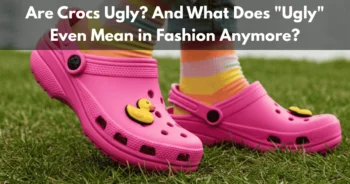
Yes, Crocs can be considered clogs, especially the Crocs Classic Clog. The design has many clog-like features: a closed toe, open back, slip-on shape, roomy fit, and a heel strap that can be worn behind the heel or flipped forward.
However, Crocs are not the same as traditional clogs. Traditional clogs are often associated with wooden soles, leather uppers, and older European footwear designs. Crocs use their own Croslite material, which gives them a softer, lighter, and more flexible feel than many classic clogs.
This is why the answer is not simply “Crocs and clogs are the same.” A more accurate answer is: Crocs are one modern version of clogs, but clogs include many more styles than Crocs.
What Are Clogs?
Clogs are slip-on shoes that traditionally have a sturdy sole and a closed toe. Many traditional clogs were made from wood or had wooden soles, which made them durable and protective for work environments.
Over time, the word “clog” has become broader. Today, clogs can be made from wood, leather, cork, rubber, foam, suede, synthetic materials, or a mix of materials. Some look traditional and rustic. Others look modern, professional, or fashion-forward.
Common clog features include:
- Closed toe
- Open back or low back
- Slip-on design
- Thick or structured sole
- Roomy front shape
- Casual, workwear, or professional styling
Clogs are popular because they are easy to put on and often provide a stable, structured feel. Some people wear them for work, while others wear them as casual or fashion shoes.
What Are Crocs?
Crocs are a footwear brand best known for the Classic Clog. Crocs became popular because their shoes are lightweight, water-friendly, easy to clean, breathable, and comfortable for casual wear.
The Classic Clog is made with Croslite material, which gives Crocs their soft, cushioned, lightweight feel. If you want a deeper explanation, VivaCrocs has a full guide on what Crocs are made of.
The Classic Clog also has ventilation holes, a pivoting heel strap, and space for Jibbitz charms. These details make Crocs different from many traditional clogs.
Common Crocs features include:
- Lightweight foam-like material
- Ventilation holes
- Pivoting heel strap
- Water-friendly design
- Easy cleaning
- Quick drying
- Roomy fit
- Casual look
- Customization with Jibbitz charms
Crocs also makes many other types of footwear, not only clogs. VivaCrocs has a separate guide on how many types of Crocs there are if you want to explore more styles.
Crocs vs Clogs: Key Differences
1. Material
The biggest difference between Crocs and clogs is material.
Crocs are usually made from Croslite, a proprietary material that feels lightweight, cushioned, and flexible. This is what makes Crocs easy to wear casually and easy to clean after water, sand, or everyday dirt.
Traditional clogs are often made with wood, leather, cork, rubber, or other structured materials. Because of that, they may feel firmer, heavier, or more supportive depending on the design.
If you want something soft and lightweight, Crocs usually feel easier. If you want a firmer, more classic shoe, traditional clogs may feel better.
2. Design
Crocs have a very recognizable design: rounded toe, ventilation holes, open back, and a heel strap. The look is casual, playful, and easy to spot.
Clogs come in many designs. Some look like traditional wooden shoes. Some have leather uppers and wooden soles. Some look like professional work shoes. Others look like fashion mules or slip-on shoes.
This means Crocs have one very iconic clog identity, while clogs as a category include many different looks.
3. Comfort
Crocs are known for soft, lightweight comfort. They are easy to wear for errands, around the house, travel, beach days, and casual walking. Many people like them because they feel relaxed and roomy.
Clogs can also be comfortable, but the comfort depends heavily on the material and construction. A leather clog with a cork or wooden sole may feel supportive but firmer. A soft fashion clog may feel different from a traditional work clog.
So comfort depends on what you prefer. Crocs feel soft and flexible. Many clogs feel more structured and stable.
4. Support
Crocs provide casual cushioning, but they are not always the best choice for people who need strong arch support or a more structured shoe. For relaxed daily wear, they can be comfortable. For long hours on your feet, foot pain, or professional support needs, the answer depends on the specific model and your feet.
Some clogs may provide more structure because of their firmer sole and shaped footbed. But not all clogs are automatically supportive. A poorly fitting clog can still cause discomfort.
If support is your main concern, read VivaCrocs’ guide on whether Crocs are good for your feet before choosing.
5. Breathability
Crocs are very breathable because of their ventilation holes. These holes allow air to move through the shoe, which helps keep feet cooler in warm weather.
Clogs vary. Open-back clogs can allow airflow around the heel, but closed leather or wooden clogs may feel warmer than Crocs. Some modern clogs are breathable, while others are built more for structure than airflow.
For hot weather, Crocs usually have the advantage.
6. Water Use
Crocs are water-friendly, quick to dry, and easy to rinse. That makes them useful for the beach, pool, garden, shower areas, rainy errands, and messy outdoor use.
Traditional leather or wooden clogs are usually not ideal for water. Wood can be affected by moisture, and leather may need more careful maintenance. Some modern synthetic clogs can handle water better, but you should always check the material.
If you need footwear around water, Crocs are usually the more practical choice. VivaCrocs also has a guide on whether Crocs are water shoes if you want the full breakdown.
7. Cleaning and Maintenance
Crocs are easier to clean than most traditional clogs. You can usually rinse them with water and mild soap, then let them air dry. This makes them convenient for people who want low-maintenance footwear.
Clogs may need more care depending on the material. Leather clogs may need conditioning. Wooden clogs may need to be kept dry. Suede clogs may stain more easily.
For simple maintenance, Crocs win. For more detailed cleaning tips, read VivaCrocs’ guide on how to clean Crocs.
8. Style
Crocs have a casual, playful style. They are practical, colorful, and easy to personalize. You can wear them with relaxed outfits, beachwear, loungewear, casual streetwear, or fun statement looks.
Clogs usually look more classic or structured. Some clogs can work with casual outfits, workwear, dresses, jeans, or professional clothing. They often feel less playful and more traditional than Crocs.
If you want fun and casual, Crocs are better. If you want classic and polished, clogs may be better.
9. Customization
Crocs are highly customizable because of Jibbitz charms. You can add charms to show hobbies, colors, sports teams, characters, or personal style.
Traditional clogs usually do not offer the same kind of easy customization. Some may come in different colors or materials, but they are not built around charm holes like Crocs.
If personalization matters, Crocs are the clear winner. VivaCrocs has a guide on how to put Jibbitz on Crocs if you want to customize your pair.
10. Slip Resistance
Crocs and clogs can both offer traction, but slip resistance depends on the exact style, outsole pattern, and walking surface.
Some Crocs styles are better for wet or casual surfaces than others. Some clogs are made for work environments and may have slip-resistant outsoles. But it is not safe to assume every Crocs pair or every clog is non-slip.
If you need shoes for slick floors, wet areas, restaurants, healthcare, or work, check the specific outsole and product details carefully. You can also read VivaCrocs’ guide on whether Crocs are non-slip.
Comparison Table: Crocs vs Clogs
| Feature | Crocs | Traditional or Fashion Clogs |
|---|---|---|
| Category | A modern type of clog | A broad footwear category |
| Material | Usually Croslite foam-like material | Wood, leather, cork, rubber, suede, synthetics |
| Weight | Usually very lightweight | Often heavier, depending on material |
| Fit | Roomy, casual, flexible | Structured, varies by design |
| Toe | Closed rounded toe | Usually closed toe |
| Back | Open back with pivoting heel strap | Often open back or low back |
| Breathability | Ventilation holes | Varies by material and design |
| Water use | Water-friendly and quick to dry | Depends on material; leather/wood need more care |
| Cleaning | Easy to rinse and wipe | May require more maintenance |
| Style | Casual, playful, customizable | Classic, professional, rustic, or fashion-forward |
| Support | Casual cushioning | Often firmer, but depends on design |
| Customization | Jibbitz charms | Usually limited |
| Best for | Casual wear, beach, pool, errands, travel | Workwear, classic outfits, structured slip-on style |
Which Is More Comfortable: Crocs or Clogs?
Crocs are usually more comfortable if you want a soft, lightweight, roomy shoe for casual wear. They are easy to wear around the house, on errands, at the beach, or during relaxed outings.
Clogs may be more comfortable if you prefer a firmer sole, a structured feel, or a more classic footbed. Some people like the stability of traditional clogs, especially for standing or professional use.
The best choice depends on your feet. If you like soft cushioning, choose Crocs. If you like a firmer base, choose clogs.
Which Is Better for Walking?
For short casual walks, Crocs can be a good choice. They are lightweight, breathable, and easy to wear. But for long-distance walking, uneven ground, or fast walking, you may want a more supportive walking shoe.
Clogs can work for walking too, but the experience depends on the sole and fit. A heavy or rigid clog may not feel ideal for long walks. A well-made modern clog may feel better for standing and slow walking.
If walking comfort is your main concern, read VivaCrocs’ guide on whether Crocs are good for walking.
Which Is Better for Work?
This depends on your job.
Crocs may work well in casual, medical, food service, garden, or wet environments if the specific pair has the right outsole and workplace approval. They are easy to clean and comfortable for many people.
Clogs may work better in professional, creative, or dressier settings where you want a structured shoe with a more classic appearance. Some professional clogs are designed for people who stand for long hours.
Before wearing either option for work, check your workplace dress code and safety requirements.
Which Is Better for Summer?
Crocs are usually better for summer because they are lightweight, breathable, water-friendly, and easy to clean. They work well for beach trips, pool days, gardening, travel, and hot-weather errands.
Clogs can still work in summer, especially open-back styles, but leather or wooden clogs may feel warmer and need more care around water.
Which Is Better for Style?
Crocs and clogs give very different style messages.
Crocs feel casual, playful, comfortable, and expressive. They are great if you want relaxed footwear that can show personality.
Clogs feel more classic, structured, and sometimes more polished. They can work better with outfits where Crocs feel too casual.
If you want a fun statement, choose Crocs. If you want a more traditional slip-on shoe, choose clogs.
Are Crocs Sandals or Clogs?
Crocs can make both sandals and clogs. The Classic Clog is a clog. Other Crocs styles may be sandals, slides, flip-flops, boots, or sneakers.
This is why people sometimes get confused. Crocs is the brand. Clog is the shoe style. The Classic Clog is one of Crocs’ most famous styles.
For more detail, read VivaCrocs’ guide on whether Crocs are sandals.
Crocs vs Clogs: Which Should You Choose?
Choose Crocs if you want:
- Lightweight comfort
- Easy cleaning
- Water-friendly use
- Breathability
- Casual style
- Fun colors
- Jibbitz customization
- Shoes for errands, beach, pool, travel, or home
Choose clogs if you want:
- A classic look
- A more structured feel
- Leather, wood, cork, or suede materials
- A firmer sole
- A less casual style
- Shoes that can work with polished outfits
- A traditional slip-on shape
For many people, Crocs and clogs do not compete directly. They simply serve different purposes. Crocs are better for casual comfort and easy care. Clogs are better for structure and classic style.
Final Verdict: What Is the Difference Between Crocs and Clogs?
The difference between Crocs and clogs comes down to category, material, and purpose. Crocs are a modern brand known for foam-style clogs, especially the Classic Clog. Clogs are a much broader footwear category that includes traditional wooden shoes, leather clogs, professional clogs, fashion clogs, and modern slip-on designs.
In simple terms: Crocs are clogs, but clogs are not always Crocs.
If you want lightweight, breathable, water-friendly shoes, Crocs are the more practical choice. If you want a firmer, more traditional, or more polished slip-on shoe, clogs may be better.
Both can be comfortable. Both can be stylish. The right choice depends on where you plan to wear them and what kind of feel you prefer.
FAQs About Crocs and Clogs
Are Crocs considered clogs?
Yes. The Crocs Classic Clog is considered a clog because it has a closed toe, slip-on shape, open back, and heel strap. However, Crocs are a modern foam-style clog, not a traditional wooden clog.
Are Crocs and clogs the same thing?
Not exactly. Crocs are a type of clog, but clogs are a broader category. Traditional clogs may be made from wood, leather, cork, or other materials, while Crocs are known for lightweight Croslite material.
Why are Crocs called clogs?
Crocs are called clogs because their design matches many clog features: closed toe, open back, easy slip-on shape, and roomy fit. The Classic Clog is Crocs’ most iconic model.
Are clogs more supportive than Crocs?
Some clogs may feel more supportive because they have firmer soles or structured footbeds. But not all clogs are supportive, and not all Crocs feel the same. Support depends on the exact shoe and your feet.
Are Crocs better than clogs?
Crocs are better for casual wear, water-friendly use, easy cleaning, and lightweight comfort. Clogs are better if you want a structured feel, classic style, or firmer sole. Neither is better for everyone.
Can you wear Crocs as work clogs?
You can wear Crocs as work clogs only if the specific style fits your workplace needs and dress code. For wet or slippery work areas, check the outsole and slip-resistance details carefully.
Do Crocs last longer than clogs?
Durability depends on material, use, and care. Crocs can last a long time with casual use, but traditional wooden or leather clogs can also be very durable. If your soles are worn smooth or the shape changes, it may be time to replace them. VivaCrocs has a full guide on how long Crocs last.
Are Crocs easier to clean than clogs?
Yes, Crocs are usually easier to clean than wooden, leather, or suede clogs. Most Crocs can be rinsed with mild soap and water, while many clogs need more careful cleaning.